Project Description
Synopsis
In this project, I aimed to further develop my skills in composition, understand and put into practice more technical approaches to composition structure and thought process. One of the core skills that I wanted to learn was the method behind scoring action scenes, exploring dynamic range, the use of time signatures in compositional arrangements, minimalist approaches to composition, and my own personal goal of infusing the church/gospel world of music with modern composition. All these areas of exploration serve to broaden my palette of skills within this field. I re-scored scenes for 2 movies and created an audio piece exploring epic action techniques as if it were for a scene in a film/show. Generally, developing skills in post-production.
Creative Process
Stages
This section briefly breaks down my creative processs
Stage 1: Establish Meaning
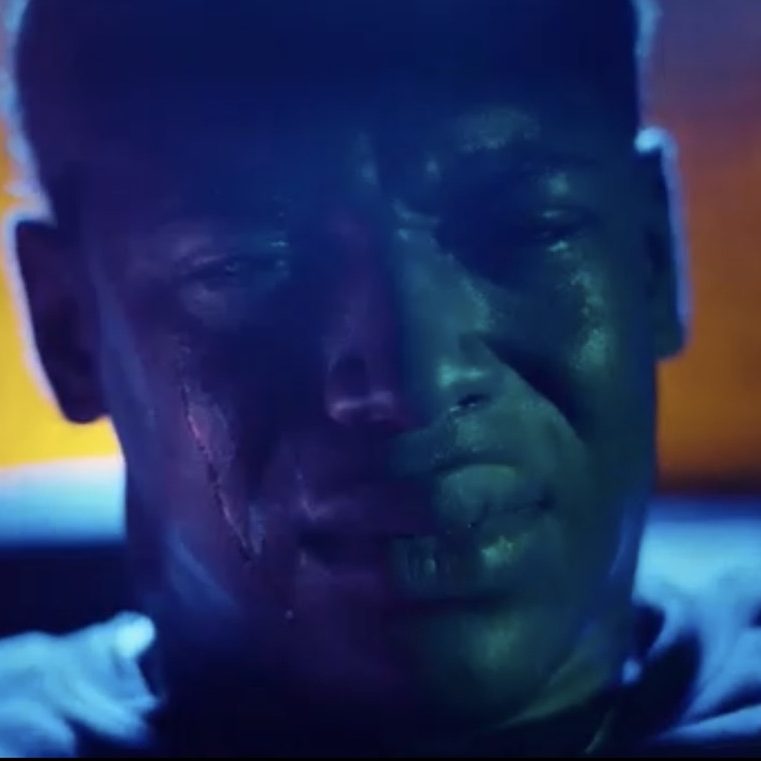
This stage involves unpacking the emotional centre of the concept of the musical idea or scene, which involves attention to narrative agents such as visual narratives, spoken narratives and written narratives (if applicable)
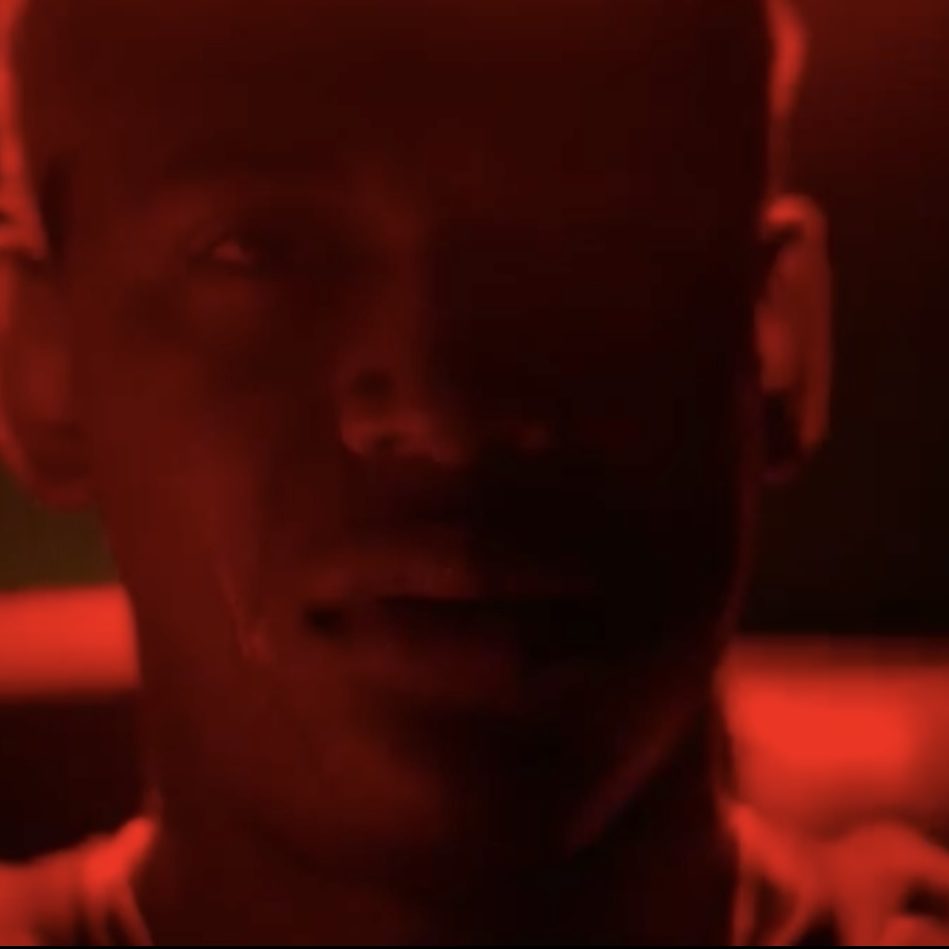
An example of this would be in the 'Waves' scene, paying attention to facial expression, emotional state of the character and the colour shift associated with that change as demonstrated below.
This stage heavily leans on gospel culture in understanding appropriate atmospheres
Stage 2
Theme Creation
In this stage, I begin utilising music theory knowledge, coupled with the understanding of the concept of the scene to begin creating potential melodic themes. This is where the utilisation of time signatures will be decided and a loose structure is formed, along with instrumentation being selected.
This is demonstrated in the climax for the 'Action' sequence composition
Stage 3
Structural Finalisation
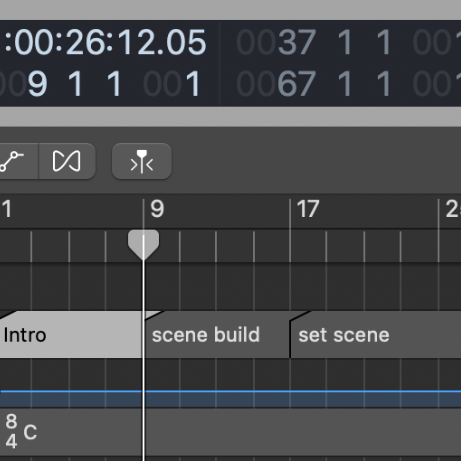
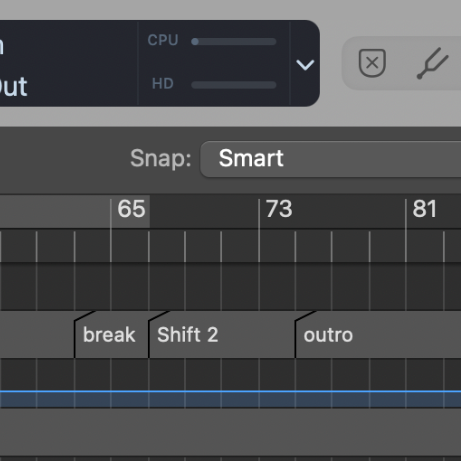
In this stage, I conclude the structure of the piece, breaking it down into its appropriate sections, example, scene setting/intro, build-up or drive (gospel terminology), climax or chorus, break down and finally outro.
This is the general structure that i would follow/ adapt to the media I am working with.
Mixing and mastering would also follow the structural completion of the piece.
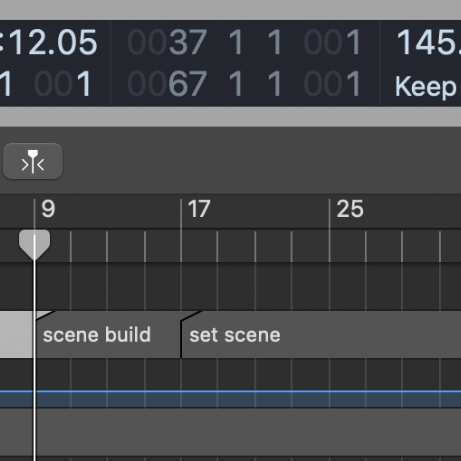
Here is an example of my structure from my Action sequence composition
Insporation
Techniqes & Aesthetics
Below, I have listed some of the inspirations that Iused as references during this project. listing them by the main aesthetic/techniques that ive noticed they display in their pieces that i learned from when working through my creative process for my work.
Compositional References
Here are some of the Composers that was inapired by for this project.
Space
Melodic Simplicity
Scale
Electronic Layering
Space
Structure
Harmonic arrangement
Harmonic arrangement
Context
I used this project as an opportunity to explore industry methods of composition for film and TV. Utilising techniques and methods that allow for appropriate tone, energy and texture for multimedia platforms. This project allowed me to amalgamate orchestral, cinematic, gospel and electronic fusion, for example, composers like Hans Zimmer and Alva Noto. These composers are known for the combination of cinematic and electronically fused scores.
The general area of relation to existing work would primarily occupy the hybrid space that Composers such as Zimmer and Noto are well known to be in.
Some examples of composers integrating other musical styles into their practice of film scoring. Hans Zimmer, Ryuichi Sakamoto, Alva Noto, Trent Resnor and Natali Hult. All these composers have integrated electronic elements (synthesisers and various forms of synthesis) into their work. Due to the modern space of film composition, following the general pattern of integrating electronic elements, I chose to explore the integration of electronic elements while furthering the scope of integration by including gospel as part of the palette.
This addition to compositional film music fusion has set me apart from other composers previously mentioned, therefore providing another path of compositional possibility.
Research has shown that the space is quite niche where gospel has been integrated into film composition; however, Gospel is usually found within ‘live’ contexts such as theatre or concerts. Tyler Perry, being recognised not only as a reference of gospel within theatres, such as ‘Madea’s big happy family- Theatre play’, has now become a reference of integrating gospel into modern film composition within his early movies, such as ‘Madea’s happy family-Film version’.
One of the key techniques in Ryuichi Sakamoto’s work is his use of space. A clear example of Sakamoto’s use of space is found in the ‘Revenant’s’ main theme. This technique was utilised in the Avengers: Endgame piece and demonstrated between 5:30 and 5:45
Another technique that I used for this piece was Ostinatos, referring to short rhythmic phrases that add momentum, used most commonly in action scenes. The use of Ostinatos is commonly used by composers in film music; recent examples include the ‘F1’ theme by Hans Zimmer.
Understanding the relationship between time signatures and rhythms for action sequences is a technique demonstrated at points 2:10 and 2:53, as I switched from signature 8/4 to 7/8 in the epic audio action sequence.
Another technique is ‘simple melodies’, is a feature that Hans Zimmer and Silvestry demonstrate. Example ‘Inception’ and ‘Tony’s funeral theme’, and therefore to learn from industry professionals I incorporated these techniques, I incorporated these techniques into my own work
The use of synthesisers (rhythmic synths) is a common tool with modern film composers, such as Trent Reznor and Hans Zimmer. This is further demonstrated in the track ‘The Other Side’ – Trent Reznor & Atticus Ross from ‘The Gorge’ (2025).
Final Pieces
Avengers: Endgame Re-Score
Due to Copyright restrictions, I am unable to post the Video. I have place a link Below
Action Sequence Composition
This composition is audio only, I have placed the link below